Foreclosure

December 23, 2024

If you purchase a home with a mortgage and have been having a difficult time making the monthly payments, your mortgage lender will repossess the home. You may also face foreclosure if you have failed to pay your property taxes or the fees associated with your homeowner's association.


What Happens During a New Jersey Foreclosure?

Through a foreclosure, your mortgage lender may take the property from you and sell it in an attempt to recover the money it lost when you defaulted. This is a legal procedure because the house is the guarantee for the loan. When you sign the mortgage documents it is clearly spelled out that you recognize that the lender has the right to foreclose on the home should you default on the mortgage.


When you initially buy the house, the lender makes a thorough investigation into your finances, checking your income, reviewing your credit history, and determining the right amount to lend you. However, circumstances change when one least expects them to and even the most financially savvy homebuyer may find themselves facing foreclosure.


The most common circumstances that may result in a homeowner being unable to pay off their mortgage are:


  • Change in household income due to a death in the family or a divorce
  • Medical emergencies
  • Being laid off, quitting, or losing a job
  • Having to relocate before being able to sell the home
  • Being hit by a natural disaster
  • Taking on excessive debt


A Foreclosure Defense Attorney Can Help You

Hiring a foreclosure attorney in NJ can be your best option if you want to stay in the home and avoid foreclosure. Getting in touch with the Law Office of Stuart M. Nachbar as early in the process as possible may make all the difference. He will negotiate with your lender to allow you to stay on or if things have already progressed legally, he will be by your side when it comes to fighting the foreclosure in court. If you wait too long to reach out to a foreclosure defense attorney it may be impossible to stop the foreclosure process and its consequences.

FAQ:

  • When does the foreclosure process start?

    Federal law indicates that if you are generally more than 120 delinquent days in your mortgage payment, the lender has every right to initiate a foreclosure, sell the property, and use the funds to repay the loan.

  • Will I be informed before the foreclosure officially starts?

    Under the terms of most mortgage contracts, lenders must mail the homeowner what is called a breach letter in which they give you notice of their objective to begin foreclosure proceedings should you not make the missing payments on the loan. You will also be advised that you have a specified time limit to bring your loan current (generally 30 days) if you want to avoid them moving forward with the process.

  • When should I hire a New Jersey foreclosure attorney?

    As soon as you receive the breach letter unless your financial situation has changed and you are now able to fulfill the requirements of the mortgage within the specified time period. If you wait too long, if you cannot get current on the missed payments, and if you want to keep your home, a quick decision on your part to hire a foreclosure law firm will make all the difference between getting your home back and having to lose it.

  • How can foreclosure lawyers help me?

    Stuart M. Nachbar, Esq. will help you with your New Jersey foreclosure by either working out a deal with the bank, helping with a loan modification agreement, making sure that your lender is following the rules and processes your application in a timely manner, and helping you stay in your home.


    The foreclosure process is a complex one and in some cases, it may even vary from court to court. Stuart M. Nachbar, Esq. will file the necessary documents, advise you as to the different options available to you, work out a loan modification with the lender, represent you in court, and help you save your home through a Chapter 13 bankruptcy if necessary.


    You do not have to stress about solving the foreclosure on your own. Stuart M. Nachbar, Esq. will fight for you every step of the way. Make an appointment today. We serve clients in Livingston, West Orange, Newark, Belleville, Clifton, Irvington, East Orange, Paterson, Passaic, and Verona.


Four industrial workers in hard hats and colorful vests, representing workers' comp attorney.
December 25, 2025
Workers’ Compensation in New Jersey: What Injured Employees Need to Know
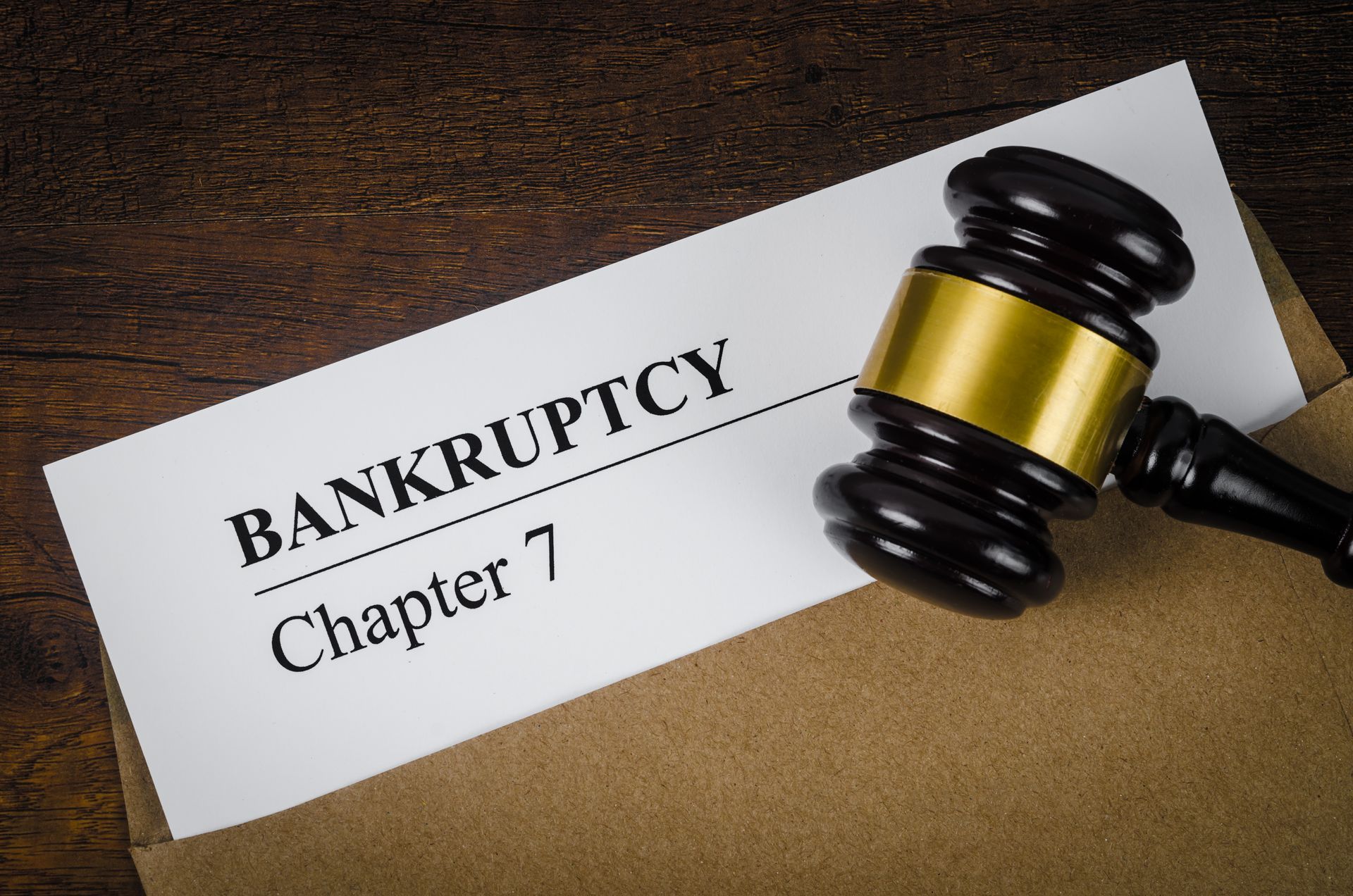
Bankruptcy document with gavel, representing chapter 7 bankruptcy in New Jersey.
November 27, 2025
What Property Can You Keep in a Chapter 7 Bankruptcy in New Jersey?
Man with hand on forehead, looking down at papers in a kitchen. He appears stressed.
November 7, 2025
Household debt is rising as mortgage and credit balances grow. Learn what this means for consumers and how Stuart M. Nachbar, PC can help.
Students walking with backpacks toward a brick building on a college campus with fall foliage.
November 4, 2025
Millions may see student loan debt canceled under new rules. Learn how this update affects you and get guidance from the Law Office of Stuart M. Nachbar, PC.
Tax forms, pen, and coffee cup on a dark desk.
November 4, 2025
The IRS can now access more than your bank account. Learn what this expansion means for your assets and how the Law Office of Stuart M. Nachbar, PC can help you.
Construction worker runs toward two people lying on the road near curb, possibly injured.
October 30, 2025
Pedestrian Accidents Attorney in Livingston, New Jersey: Your Rights After a Serious Injury
Construction worker lying on a platform after falling. Another worker stands nearby.
October 2, 2025
Workers’ Compensation Attorney in Livingston, New Jersey: Know Your Rights After a Workplace Injury
Police officers investigate a car accident on a road at sunset.
September 4, 2025
Auto Accidents Attorney in Livingston, New Jersey: Fighting for the Compensation You Deserve
A dollar bill is laying on top of a pile of dollar bills.
July 17, 2025
How to Qualify for Chapter 7 Bankruptcy in New Jersey If you're overwhelmed by debt and looking for a way to regain control of your finances, Chapter 7 bankruptcy may be an option. Often referred to as “straight bankruptcy” or “liquidation bankruptcy,” Chapter 7 allows eligible individuals to eliminate most unsecured debts and get a fresh start. At Stuart M. Nachbar, P.C. , we help individuals across New Jersey understand whether they qualify for Chapter 7 and guide them through the process. Here's what you need to know if you're considering filing in New Jersey. What Is Chapter 7 Bankruptcy? Chapter 7 is a legal process designed to help people eliminate certain debts they can no longer afford to repay. Once the case is successfully completed, qualifying debts—such as credit cards , medical bills , personal loans , and collection accounts —are discharged, meaning you're no longer legally required to pay them. Unlike Chapter 13 bankruptcy, there’s no repayment plan in Chapter 7. However, you must meet certain eligibility requirements before filing. Step 1: The Chapter 7 Means Test The most important factor in determining eligibility for Chapter 7 is the means test , a formula used to compare your income to the median income in New Jersey for a household of your size. How It Works: If your monthly income is below the state median, you automatically pass the means test and can file for Chapter 7. If your income is above the median, additional calculations will determine whether you have enough disposable income to repay your debts through a Chapter 13 plan instead. 2025 Median Income Estimates (Subject to Updates): 1-person household: approx. $77,000 2-person household: approx. $93,000 3-person household: approx. $115,000 4-person household: approx. $135,000 Note: These figures are adjusted periodically. An attorney can help calculate your eligibility based on updated income limits and your specific financial data. Step 2: Review of Income and Expenses Passing the means test isn’t the only requirement. Your actual income, expenses, and financial obligations are reviewed to confirm that you are not able to repay your debts. This includes: Monthly income from all sources Rent or mortgage obligations Utility costs Food, transportation, and healthcare expenses Family size and dependents If your disposable income is low enough after accounting for allowable living expenses, you likely qualify for Chapter 7. Step 3: Asset and Property Review Chapter 7 may involve liquidating non-exempt assets to pay creditors, but most New Jersey filers keep all of their property by using federal or state exemption laws . Commonly Protected Assets: Equity in a primary residence (with limits) Vehicles (up to a certain value) Retirement accounts Household goods and clothing Tools of the trade Public benefits and wages (to a degree) Choosing between New Jersey exemptions and federal bankruptcy exemptions can impact what you’re able to keep. A review of your property helps determine how to file while minimizing loss. Step 4: Mandatory Credit Counseling To file for Chapter 7, you must complete a pre-bankruptcy credit counseling course through an approved agency. This course usually takes about 90 minutes and must be completed within 180 days before filing. Step 5: Filing with the Bankruptcy Court Once you meet the income and eligibility requirements and complete the counseling session, your bankruptcy petition can be filed with the U.S. Bankruptcy Court for the District of New Jersey . Upon filing, the automatic stay goes into effect—immediately stopping creditor collection efforts, lawsuits, wage garnishment, and foreclosure proceedings. Who Should Consider Chapter 7? You may benefit from Chapter 7 bankruptcy in New Jersey if: You have high unsecured debt like credit cards or medical bills You’re being sued or facing wage garnishment You’ve fallen behind on bills with no realistic way to catch up You don’t own significant assets that could be at risk You want a fast resolution (most cases close in 4–6 months) Who Might Not Qualify? You may not qualify for Chapter 7 if: You earn too much income and don’t pass the means test You filed Chapter 7 within the past 8 years You have assets you wish to protect that aren't covered by exemptions You have debts that cannot be discharged (such as child support, most taxes, or student loans) In these cases, Chapter 13 bankruptcy may be a better fit. Need Help Determining If You Qualify? Filing for bankruptcy is a significant legal decision—but with the right guidance, it can be a clear and manageable process. At Stuart M. Nachbar, P.C. , we help clients determine if they qualify for Chapter 7 and explain their options with clarity and honesty. If you’re ready to stop the cycle of debt and take back control, we’re here to help.
July 10, 2025
As student loan payments resume, many borrowers are feeling the pressure of higher monthly bills. While bankruptcy still doesn’t discharge student loans in most cases, it can provide a financial reset that helps manage other debt and free up income. This article explores the implications of the payment hike and how strategic planning, including bankruptcy considerations, may help borrowers stay afloat.